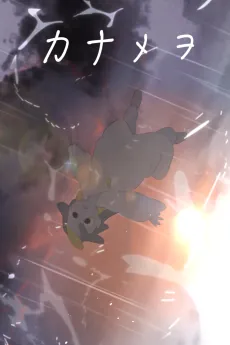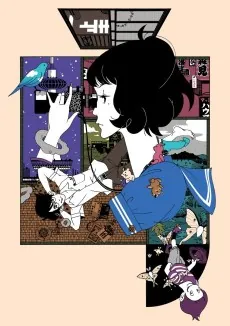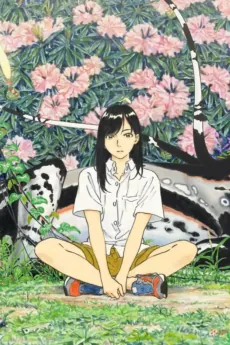
This is animation as pure visual music, fifteen minutes where every frame exists to be looked at. Tamagawa doesn't waste a second on plot or dialogue, the caterpillar's transformation becomes a hypnotic meditation on metamorphosis, growth, and things you can't name but immediately feel. The soundtrack doesn't accompany the image; it breathes with it. You'll rewatch it just to catch what you missed the first time, because the detail is so dense and deliberate that standing still is the only way to actually move through it.
A solitary figure emerges from darkness into a strange, bioluminescent world where reality bends in unsettling ways. The landscape pulses with organic geometry and alien light, a place that feels simultaneously alive and wrong. What begins as quiet disorientation transforms into something far more disturbing as the protagonist confronts the true nature of their surroundings and themselves. This short operates in the space between dream and nightmare, where psychological unease builds through atmosphere rather than plot. There are no clear answers, no comforting explanations. Instead, the experience prioritizes raw sensation and the creeping dread of incomprehension. The animation style amplifies this unease, rendering environments that should feel impossible yet somehow inevitable. Puparia speaks to viewers who find horror in ambiguity, who prefer suggestion over explanation, and who can sit with discomfort without demanding resolution. It's a piece designed to linger afterward, to rewire your expectations of what a short film can accomplish through visual language alone.