Anime Like Raja Maharaja
ラジャ・マハラジャー
MUSIC · 1 eps · 2 min/ep · Original · G - All Ages
AniList 40/100 · MAL 4.68/10 · 601 members
Slice of Life
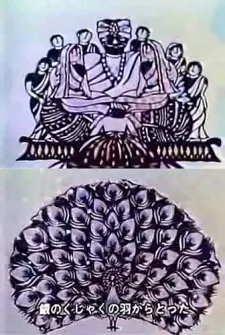
Togawa Jun's voice carries the weight of a life spent ruling from behind closed doors, alone with decisions no one else will understand. The song doesn't celebrate power or lament it. It just sits with what kingship actually costs, rendered in the kind of modest arrangement that makes you lean in to hear it. This is what Minna no Uta does when it stops being educational and becomes genuinely human.
Raja Maharaja is a single-episode music piece made for the Minna no Uta program. The song describes the life of a potentate, and Togawa Jun performs the vocals. A short slice of life music video, it presents the day-to-day existence of its royal subject through one song.
TAGS
MusicKids
// WATCH.NEXT
IF YOU LOVED RAJA MAHARAJA, WATCH THESE NEXT




not sure what you're in the mood for? browse 40 house lineups.


