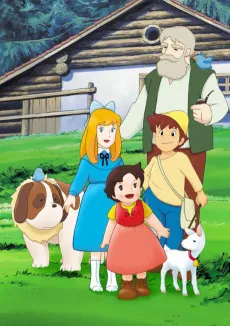
Rebecca is animated with such deliberate tenderness that watching her move through a room feels like an act of care. Every gesture, a run through tall grass, the way she holds her aunt's hand, carries weight because the animators understand that a 10-year-old girl's small joys are the entire story. The film refuses to turn her poverty into tragedy or her character into a lesson. It just lets Rebecca be vivid and alive on screen, which is harder to pull off than any plot twist.
Ten-year-old Rebecca is a cheerful, energetic girl, the second of seven children, living in a rural Maine town at the end of the 19th century. When her father dies, her family falls on hard times and she is sent, against her wishes, to live with her two aunts. Rebecca adores gentle Aunt Jane, but she shrinks before strict, nagging Aunt Miranda. One day Miranda scolds her for wearing a pink dress Jane sewed for her. When Miranda insults her late father, Rebecca bursts into anger and storms out of the house. The film is a slice-of-life period story.