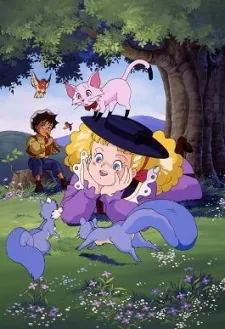
Sara loses everything in a single letter. Her father dies, the money vanishes, and the school that called her "princess" turns her into a servant in the same building. What makes this unbearable to watch is that she refuses to become bitter about it. Instead she builds entire worlds in her head, treats the other servant girls like equals, and keeps showing kindness to people who have no reason to deserve it. The show doesn't pretend this fixes anything. It just shows a child choosing her own character over her circumstances, day after day, in a house that wants to break her. By the end you understand why this story has survived 130 years.
Sara, born into a rich British family in India, arrives at a London boarding school for girls and is treated like a little princess, thriving in her studies and among her classmates. Life feels charmed. Then she is told that her father has died and the family has gone bankrupt, leaving her with nothing. Overnight, she loses her place as a student and must work at the school as a maid to support herself, while the girls who once befriended her turn against her. Rather than surrender to bitterness, Sara meets her misfortune with kindness and imagination, slipping into fantasies to escape her misery. She must persevere and build new friendships to win back her dignity and her sense of who she is. Adapted from Frances Hodgson Burnett's novel, the drama traces one girl's resilience after a sudden fall from wealth.
WHERE TO WATCH
Streaming A Little Princess Sara legally, as of the last catalog refresh. Availability changes by region.
Netflix