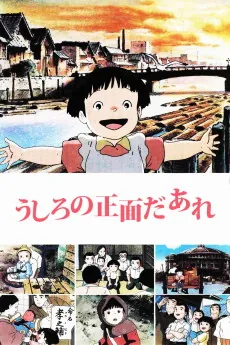
A child separated from her mother in 19th century France learns what cruelty looks like before she learns her own name. This adaptation strips the novel down to its heart: one girl's impossible survival, one man's choice to save her, the quiet devastation of poverty that doesn't care about your innocence. Cosette gets agency the book never gave her, which means watching her suffer hits different, she's fighting, not just enduring. The pacing drags in stretches, and it softens some of Hugo's darkest moments to fit the shoujo format. None of that matters once you realize what this show is actually doing: proving that fidelity to source material isn't about plot beats, it's about honoring the emotional truth a 200-year-old novel already understood.
Early nineteenth century France grinds under poverty and prejudice. Cosette's mother desperately seeks work and shelter, but society turns its back on single mothers at every corner. When a promise of prosperity in the city offers hope, Cosette's mother makes an impossible choice: leave her daughter in what she believes are safe hands while she earns enough to reclaim her. The arrangement becomes a nightmare. The man entrusted with Cosette's care is a cruel deceiver who transforms the girl into his unpaid servant, stripping away her childhood one brutal day at a time. Trapped in servitude, Cosette endures backbreaking work and emotional torment with no one to turn to. Hope arrives when the town's mayor witnesses the suffering inflicted on vulnerable children like Cosette. Moved by compassion, he refuses to accept the status quo. What unfolds is a quiet battle against systemic cruelty: one man's determination to protect the powerless and one girl's fragile journey toward freedom. This is Les Misérables through Cosette's eyes, a story of resilience amid overwhelming darkness.