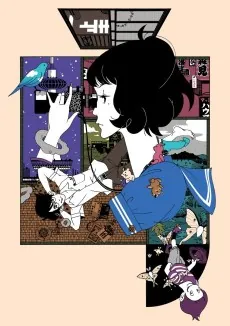
Nobody has heard of this one. A 1969 legal slice-of-life told in short stories, designed for people who want to watch something settle into your bones instead of flash across your screen. The cases aren't about courtroom drama or gotcha moments, they're about the small fractures in how people live with each other, how the law touches the ordinary. This is what happens when you let a show breathe in 1969, before every frame had to earn its existence through spectacle.
A young lawyer navigates the messy reality of defending clients in postwar Japan, where the legal system is still finding its footing and every case brings unexpected complications. Rather than courtroom drama, the show focuses on the smaller moments: conversations in cramped offices, negotiations that fall apart over tea, cases that hinge on human nature rather than statute books. Each episode stands alone, presenting different clients and conflicts that reveal how law actually functions in everyday life. A woman seeking divorce, a businessman caught in a contract dispute, a man accused of a crime he didn't commit. What matters isn't winning or losing, but understanding the people behind the paperwork and the system's limitations when confronted with real human problems. The tone is wry and grounded, mixing comedy with genuine pathos. This is slice-of-life storytelling applied to the legal profession, interested in character and observation over spectacle. It's for viewers who appreciate quiet, episodic narratives where the stakes feel personal rather than epic, and where the real conflict happens in conversations rather than confrontations.