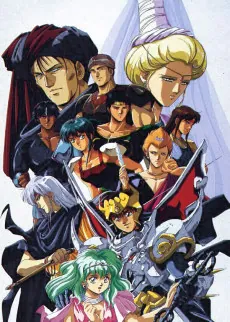
The film strips Saint Seiya down to its core: watching the bronze saints get outmatched by enemies who actually belong to a different tier of existence. Hyoga's betrayal isn't plot twist theatrics, it's the consequence of a saint choosing his homeland over everything else, and the entire conflict spirals from that one impossible choice. The God Warriors move like mythological inevitability, not just strong villains, which makes every loss feel like watching someone fight gravity and lose.
In northern Europe, Dolbar, who is Odin reborn, holds supreme power. In Siberia, Hyoga saves a man who warns him that trouble is brewing in Asgard. Athena decides to look into it and sends Hyoga ahead, but when she and the other bronze saints reach Asgard, he has vanished. Dolbar then takes Athena captive in a bid to seize control of the sanctuary, and the bronze saints who try to save her come under attack from the God Warriors. The film is a sci-fi adventure built around their fight to rescue their goddess.
WHERE TO WATCH
Streaming Saint Seiya: The Heated Battle of the Gods legally, as of the last catalog refresh. Availability changes by region.
RetroCrush