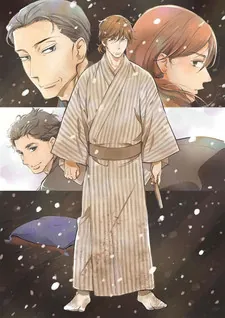
A man walks out of prison and asks a master storyteller to teach him rakugo. What unfolds is the master's entire life told backwards, each performance a confession, each memory a wound that won't close. The show understands that some people are shaped by eras they didn't choose and mistakes they can't undo, and it lets them speak about it in the only language they have left. By the finale you're not watching a story about rakugo anymore, you're watching two men try to save each other through the art of telling the truth sideways, through someone else's words, because saying it straight would break them both.
A former yakuza is paroled from prison into Japan's Showa Genroku era, set on one goal. During his sentence he was moved by master storyteller Yakumo Yuurakutei's telling of "Shinigami," and now he wants to learn rakugo, the traditional art of comic storytelling. Yakumo has never taken a student, yet he surprises everyone by accepting the eager ex-convict and naming him Yotarou. In training, Yotarou meets Konatsu, Yakumo's ward and the daughter of the late performer Sukeroku. Her love for her father's style pulls Yotarou toward it, and Yakumo begins to recall his past during World War II and after, and a promise he once made to his greatest rival.
WHERE TO WATCH
Streaming Showa Genroku Rakugo Shinju legally, as of the last catalog refresh. Availability changes by region.
CrunchyrollAmazon Prime Video