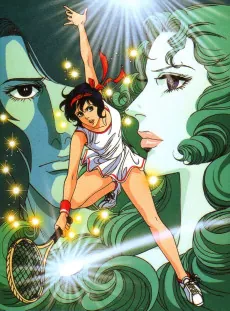
A soft tennis show that doesn't care about soft tennis. Toma's trying to save a dying club, but what actually matters is watching broken kids learn to stop carrying everything alone. The sport is just the thing they do while they figure out how to live with each other. By the end, you're not invested in matches or rankings. You're invested in whether these boys can survive what their families, their bodies, and their own silence have done to them. That's the real match. The quiet moments between serves hurt more than any game ever could.
Toma captains a boys' soft tennis club at his middle school that's barely hanging on. The team lacks discipline and drive, keeps losing while the girls' club succeeds, and now faces losing its funding unless it wins a match at the summer tournament. When Maki, a childhood friend, transfers to the school and proves to be a natural athlete, Toma sees a chance to turn things around. Maki refuses at first, then agrees to join only if Toma pays him. His quick progress soon outshines the others and causes friction, but he pushes his teammates to take the game seriously. Maki himself isn't the savior Toma imagined, since he has his own issues to face. As the boys discover what they can do, they also face personal hardships and the harder side of growing up.
WHERE TO WATCH
Streaming Stars Align legally, as of the last catalog refresh. Availability changes by region.
CrunchyrollHulu