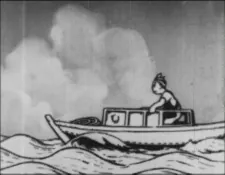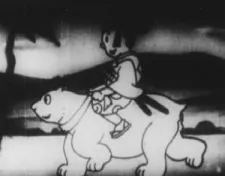
Silent cinema found samurai in demons before anime did, and this 1928 film moves like brush strokes, not explosions. Each confrontation strips down to pure intention: a man against what he refuses to become. The camera holds on stillness the way most action films hold on impact. What lingers is not spectacle but the weight of choice in the space between sword strikes.
A wandering samurai named Tairiki Tarou takes on an impossible task: mastering his craft through brutal, reckless training that pushes him far beyond normal limits. Driven by an unshakeable conviction that only through extreme hardship can true strength emerge, he hurls himself into dangerous situations against supernatural threats that would break ordinary warriors. The film strips away pretense and fancy dialogue to focus on pure physical spectacle and raw action. Tarou's path is defined not by philosophy or introspection but by constant combat, each encounter more punishing than the last. Demons become his unwilling teachers, their attacks the curriculum of his unconventional dojo. What unfolds is a portrait of obsessive dedication taken to absurd extremes. The tone balances gravity with a willingness to embrace the ridiculous side of self-imposed suffering. Viewers drawn to action that prioritizes motion and kinetic energy over narrative complexity will find their footing here. This is samurai cinema at its most straightforward, concerned only with what a body can endure and accomplish through sheer force of will.