A girl inherits her dead father's camera and moves to his childhood town, and somehow that small premise becomes the most quietly moving thing you'll watch all year. Tamayura doesn't build toward anything, it just sits with you in Takehara's narrow streets and lets the weight of continuity, family absence, and the strange comfort of following someone else's footsteps do the work. The photography isn't a gimmick; it's the language she uses to understand him, and by extension, herself. You'll finish four episodes and realize you've been holding your breath the whole time.
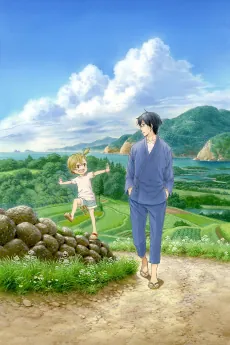
Fuu Sawatari moves to Takehara, a scenic old town near Hiroshima on the Inland Sea, to begin her first year of high school. Her late father grew up there, and as a child she often visited with him and took pictures of the area together. Five years after their last trip, she settles in with her family and keeps his memory alive through photography, shooting with his old Rollei 35S film camera. Fuu believes a photograph can make the ordinary feel wonderful, so she and her new friends take every chance to capture everyday moments on film, hoping their pictures might bring happiness to someone who needs it. The result is a gentle, calming slice-of-life comedy about friendship and getting to know a small town.
WHERE TO WATCH
Streaming Tamayura legally, as of the last catalog refresh. Availability changes by region.
Crunchyroll