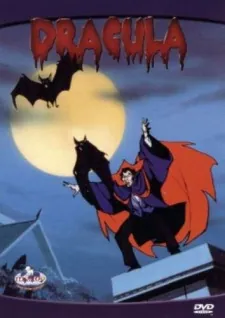
Dracula moves to Tokyo and immediately becomes a middle-aged loser who can't catch a break. The joke is that vampiric dignity means nothing against suburban mundanity, convenience store clerks, and a daughter who just wants a normal life. Tezuka treats horror tropes like furniture to rearrange in a sitcom, and the comedy lands because it's playing the premise completely straight.
After years in Transylvania, the vampire Dracula has moved to Nerima Ward in Tokyo, where he lives in an old Western-style house with his daughter Chocola and his loyal servant Igor. While Chocola goes to junior high, Dracula craves the blood of beautiful young virgins, the only fitting meal for a vampire of his rank. Each night he heads out to hunt, but he keeps stumbling into some commotion and ends up causing trouble for the locals. Since nobody in Japan believes vampires exist, his mere presence stirs up chaos around town in this supernatural horror comedy.