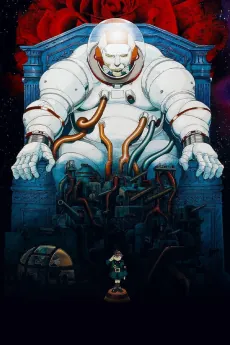
The Matrix sequels failed, so The Animatrix had to prove the universe still had stories worth telling. It does. Each episode is a self-contained argument about what the Matrix actually is, and by the time you reach "The Second Renaissance," you understand the war differently than you did in the films. The animators don't apologize for the slowness or the philosophy; they lean into both. Some episodes feel slight next to others, but the best ones (particularly the Renaissance chapters) recontextualize everything you thought you knew about human extinction. This is what expanded universe material looks like when it's made by people who actually understood what the original film was about.
Nine short stories are set across the Matrix universe, a world where machines use captive humans for energy and keep their minds inside a computer-generated reality. In one, the crew of the Osiris spots an army preparing to invade Zion, and while one member rushes through the Matrix to deliver the warning, the rest hold off an overwhelming swarm of Sentinels. A two-part story shows how humanity built an AI as smart as itself, how coexistence broke down into all-out war, and how the humans lost and ended up trapped in the Matrix. Other episodes follow a young man who learns his world is fake and escapes with Neo's help, a track champion who briefly breaks free mid-race, a young woman who finds a glitch posing as a haunted house in Tokyo, a detective hired to hunt the hacker Trinity, and scientists who place a captured robot inside a fantasy world.
WHERE TO WATCH
Streaming The Animatrix legally, as of the last catalog refresh. Availability changes by region.
MaxTubi TV