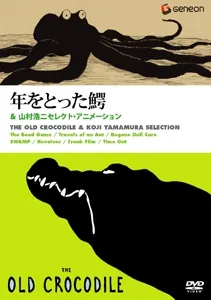
An ancient crocodile decides to eat his own great-grandson because his body has betrayed him and his family has already decided he's worthless. The shame of that choice, the clarity of it, breaks something in him that millions of years couldn't touch. Then an octopus shows up and treats him like he still matters. This is a parable about dignity in obsolescence wrapped in a single, devastating image: a creature so old he watched civilizations rise, now begging for one meal, one moment of being seen. It refuses to look away from what it costs to survive when nobody wants you alive anymore. The turn toward the octopus isn't redemption. It's the rarest thing this crocodile will ever receive: witness.
A crocodile so ancient that he saw the pyramids rise is now plagued by rheumatism and can no longer hunt for himself. Desperate, he resolves to devour his great-grandson. Though his millennia of life should command deep respect, his family concludes he must be done away with. Unable to endure their disrespect, he bids farewell to the Nile. Later he meets an octopus who befriends him and catches all kinds of fish for him to eat. But after dark he cannot resist devouring one of her legs, and from then on he takes another every night. A dramatic animated film.