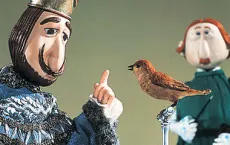
Stop-motion pulls you into the duckling's loneliness in a way animation can't match. Each frame feels handmade, deliberate, slow enough that you live inside the shame and rejection instead of rushing past it. By the time the transformation comes, it doesn't feel like a plot twist. It feels like permission to stop hating yourself. This is not a children's story told down to kids. This is a story for anyone who spent years believing they were fundamentally wrong. The puppet's eyes hold that weight the entire time.
A lonely duckling, cast out from its own nest for looking different, wanders through a cold world searching for a place to belong. Crafted entirely through meticulous stop-motion puppetry, this adaptation transforms Hans Christian Andersen's classic tale into a tactile, intimate experience that moves far beyond simple nostalgia. The film follows the duckling's journey across changing seasons and unfamiliar landscapes, encountering both cruelty and unexpected kindness from the creatures it meets. Each frame captures the textures of isolation, from frosted reeds to weathered feathers, grounding the emotional weight of rejection in physical, observable detail. Rather than rush toward its well-known conclusion, the story lingers on the duckling's internal struggle. Viewers watch as shame and hope battle within a creature convinced of its own worthlessness, creating genuine tension around whether acceptance from others will ever truly matter. The stop-motion medium emphasizes vulnerability in ways animation alone cannot, making every small movement feel fragile and real. This is a meditation on belonging disguised as a fairy tale, perfect for anyone who remembers what it felt like to be on the outside looking in.