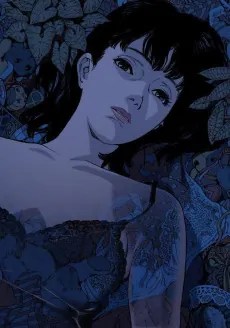
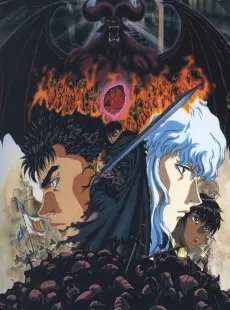
The narrator's voice crawls under your skin in ways the visuals alone never could. Each episode switches art styles like a fever dream, keeping you off-balance, never letting you settle into comfortable dread. The OST doesn't score the horror, it becomes the horror, wrapping around every scene until you can't separate the story from the sound design. This season knows short-form horror doesn't need consistency to work. It needs precision, and it has it.
Season six continues the tradition of Japanese urban legends told in a picture-story style. In a fog-filled forest clearing late at night, a kamishibai board waits, and when a visitor arrives the masked Storyteller appears beside it to share new tales of horror and despair. The victims could be anyone. A group of girls torment one of their own inside a cave and draw the attention of a dark presence. A boy who fears being watched moves to the countryside but still feels eyes on him. A man cannot keep his window shut and keeps getting strange phone calls. A salaryman takes someone else's umbrella in the rain and pays an unexpected price. Visitors are welcome to listen, but they should take care not to become the subject of the Storyteller's next tale.
WHERE TO WATCH
Streaming Theatre of Darkness: Yamishibai 6 legally, as of the last catalog refresh. Availability changes by region.
Crunchyroll