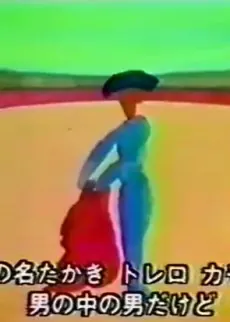
Anime Like Torero Kamomiro
トレロ カモミロ
MUSIC · 1 eps · 2 min/ep · Original · G - All Ages
AniList 41/100 · MAL 4.8/10 · 498 members
// SYNOPSIS
Torero Kamomiro is a single-episode music piece credited to the Nishi Rokugo Shonen Shōjo Gasshodan. It aired on NHK in 1970 as part of the Minna no Uta program. The song adapts "Il torero Camomillo" by Michele Grandolfo, which won the 10th Zecchino d'Oro in 1968, an international children's song festival hosted in Italy.
TAGS
CarsMusicKids
// WATCH.NEXT
IF YOU LOVED TORERO KAMOMIRO, WATCH THESE NEXT





not sure what you're in the mood for? browse 40 house lineups.


