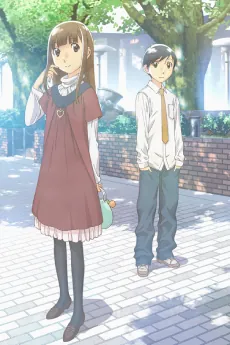
The show operates without a single dramatic beat to lean on, just two people figuring out what they feel through LINE messages and stolen glances. Kotaro's internal monologues capture the specific paralysis of being sixteen and wanting something you're terrified to name. By the finale, you realize the entire weight of the story rested on whether you believed these two could actually like each other, and if you do, nothing else matters.
Kotaro is a bookish boy who hopes to become a novelist. Akane is a member of the track team who loves to run. In their final year of middle school they land in the same class for the first time, strangers until they are put in charge of the equipment for the sports festival. From there they slowly grow closer through messages on LINE. Their connection grows tentatively, carefully, but feelings don't exist in a vacuum. Takumi has loved Akane since their first year, and Akane's friend Chinatsu starts to take an interest in Kotaro. Set in Kawagoe, this gentle romantic drama follows young love through its comfort, its anxiety and the uncertainty of not knowing how the other person truly feels.
WHERE TO WATCH
Streaming Tsukigakirei legally, as of the last catalog refresh. Availability changes by region.
CrunchyrollBilibili TV