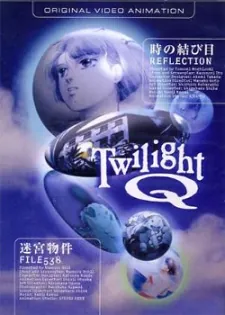
A camera from two years in the future falls into Mayu's hands, and the show refuses to explain anything, just lets the paradox sit, humming with dread. The 1987 animation holds a specific kind of beauty that digital work keeps chasing but never catches, colors that feel like they're printed on something real. Each episode unfolds like a photograph developing in reverse, pulling you deeper into mystery without the safety of resolution, and that incompleteness is exactly what makes it haunt you.
Two unrelated stories make up this short OVA of science fiction mysteries. In the first, high school student Mayumi is spending her summer vacation at the beach when she finds a camera while scuba diving. Its developed film shows her posing beside a man she has never met, and the model turns out not to be on sale yet, not for another two years. Soon she is pulled back and forth through time with no control over it. In the second, a freelance detective down on his luck accepts a surveillance job on a middle-aged man and a young girl who live in a shabby apartment on the edge of town. Meanwhile, planes are disappearing from the sky, rumored to be turning into giant carp, and ordinary investigative methods stop working as reality itself comes apart. Both tales lean on psychological unease and strange, unexplained events.