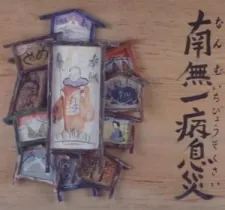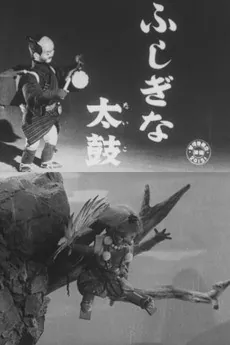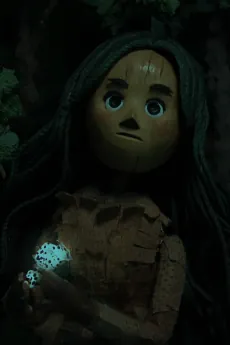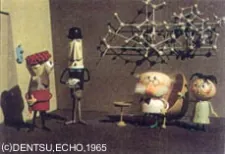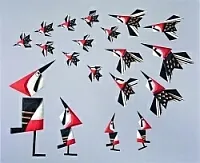
The paper cuts move like they're remembering something. Every frame arrives slowly, each gesture weighted with the kind of quiet that only exists in old things, textbooks, family photographs, the space between childhood and forgetting. The music doesn't rush you toward understanding; it lets you sit with the poem the way you're meant to, the way generations of Japanese kids have sat with it. This isn't a music video trying to be a spectacle. It's a poem deciding to breathe on screen.
Umeboshi Jinsei is a single-episode music video that brings a classic poem from the Meiji era to the screen. The verse is one Japanese children know from their elementary school textbooks. The animation is stop motion built from paper cut-outs, so the images keep a handmade, tactile look as the old text is set to music and given new visual form.