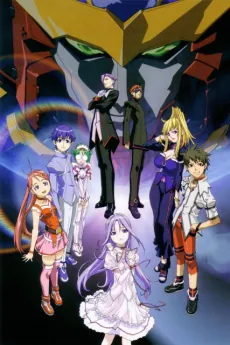
The second stage strips away the first season's gender-war setup and trades it for something harder: a crew that actually matters to each other now, fighting to save their homes while the weight of what they're learning about Earth keeps getting worse. The animation leans into that contradiction, all fluid mecha choreography and seamless space battles wrapped around quieter moments where characters finally admit what they're afraid of. It ends before you're ready, but that's the point, they had to move, and so does the story.
After Hibiki and his crewmates bring down a massive Earth battleship, they learn that five more warships have Mejeiru and Tarahk in their sights. The crew of the NIRVANA discovers that both home worlds face the threat of a reaping, so they hurry back to raise the alarm. Along the way a girl named Misty joins them, and the news she carries about the current state of Earth is grimmer than anyone expected. As enemy attacks grow ever more ferocious, VANDREAD shifts into its final system, and Hibiki's relationship with Dita remains an open question. Action, comedy, romance and mecha battles share this science fiction second season.
WHERE TO WATCH
Streaming Vandread: The Second Stage legally, as of the last catalog refresh. Availability changes by region.
CrunchyrollHulu