
Anime Like Wasureboshi
忘れ星
2013 · ONA · 1 eps · 5 min/ep · Original · G - All Ages
AniList 50/100 · MAL 5.72/10 · 1,442 members
Music
Nobody watching this expects a one-minute promotional video for a particle accelerator to feel like watching someone finally understand something beautiful. The music doesn't accompany the science, it is the science, rendered as sound. By the end you're not thinking about SACLA or lasers or any of it; you're thinking about the moment when invisible things become visible, and how that moment deserves to be treated like art.
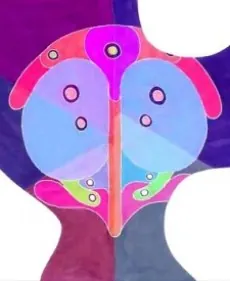
Wasureboshi is a single-episode ONA from 2013, made as a promotional video for SACLA, the SPring-8 Angstrom Compact free electron laser. The short runs about five minutes and is drawn in pencil and watercolor. Mamiko Noto provides the narration, and the music comes from twoth, which fits its Music genre label.
TAGS
AdvertisementPrimarily Female CastMusic
// WATCH.NEXT
IF YOU LOVED WASUREBOSHI, WATCH THESE NEXT






not sure what you're in the mood for? browse 40 house lineups.


