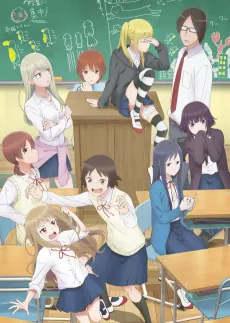
Tomoko's internal monologue narrates a fantasy life that real life immediately demolishes, sometimes within the same scene. The show gets the specific texture of social anxiety right, not just shyness, but the catastrophic self-awareness that makes every interaction feel like a public execution. You laugh because you've been her, tongue-tied and convinced everyone is judging you, and the show never pretends that gets easier or that she becomes suddenly confident. It's comedy built on the exact shape of loneliness, not on fixing it. The visual direction sells every humiliating moment with enough affection that watching Tomoko fail becomes a form of recognition, not cruelty.
Tomoko Kuroki is convinced she's destined to be popular. Her extensive dating sim experience proves it, right? Wrong. In reality, the moment she tries to speak to actual humans, her brain short-circuits and her mouth refuses to cooperate. High school was supposed to be her fresh start, but school quickly turns out to be nothing like she expected, and she is far less popular than she believed. Trapped between her elaborate fantasies and humiliating reality, Tomoko keeps trying to break through her own barriers and win the school life she has always imagined. With her best friend Yuu Naruse and her brother Tomoki in her corner, she stumbles through one awkward attempt after another. This is comedy built on the uncomfortable gap between who you think you are and who you actually appear to be.