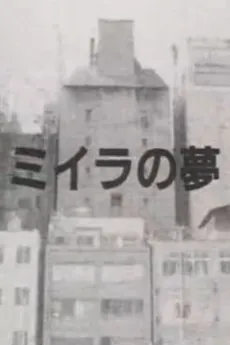
A woman's apartment becomes a vertical ecosystem she can't stop. The moths don't attack. They just arrive, transform the space, lift it higher, remake what home means. This film doesn't argue that nature is beautiful or that concrete kills the soul, it shows you the thing happening in real time, in a room that stops being a room. The horror isn't the invasion. It's watching yourself become smaller in a space that used to contain you.
A middle-aged woman lives in a drab concrete block apartment in a Japanese city. A tree's leaves transform into orange moths that overrun her home and push her room higher and higher within the building. The film uses this surreal image to stage a conflict between dull urban housing and the natural world, with the tree standing for the forces of nature.