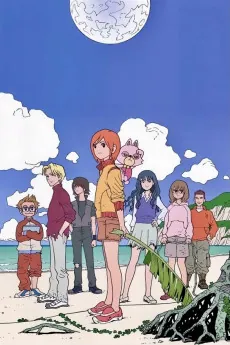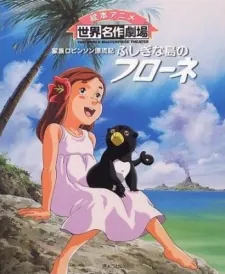
Twenty months on an island with no adults, no rescue plan, no illusions. The children have to choose between falling apart and building something that works. What starts as a survival story becomes a portrait of what kids are actually capable of when failure means death. The boat that was supposed to take them home becomes a tomb if they don't think like adults before they're ready. This is quieter than Lord of the Flies, less interested in darkness than in the brutal mathematics of keeping fifteen people alive with what washes ashore. By the end, you're not rooting for rescue, you're watching them become people the world wasn't prepared for them to be.
Fifteen schoolchildren are aboard a boat meant to carry them to their families on the New Zealand coast when it loses its anchor and drifts out to sea one night with no sailors on board. By morning a violent storm keeps them from returning to the harbor. Days later, the boat runs aground on a deserted island in the Pacific, leaving the children on their own. For twenty months they must organize themselves to survive, gathering and storing food before the cold winter arrives. Briant, Doniphan and Gordon lead the group, and the children discover that a sailor lived and died on the island twenty years earlier. The special is a one-episode adventure about survival.