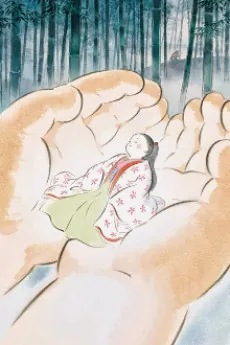
This 1961 film adapts Mizoguchi's "Sansho the Bailiff" into something quieter and stranger: a medieval slavery story told through watercolor restraint, where cruelty is rendered not in screams but in the stillness of a sister transformed into a swan. The animation moves like ink bleeding into silk, each frame carrying weight without spectacle. A brother grows into manhood carrying nothing but the memory of her voice, and that memory is the entire engine of the film. Disney's influence shows in the cute animal sidekicks that feel genuinely out of place, interrupting something darker that the animators clearly understood better than the studio's marketing department. What remains is a tragedy drawn with such care that the softness of the image makes the content hit harder, not easier. A child sold into slavery never stops being a child in this film, and that refusal to sentimentalize or exploit is what separates it from everything made before and after.
Two siblings torn from safety find themselves trapped in a nightmare of bondage and suffering. After their father clashes with local authorities, Anju and Zushio are forced to run, only to be captured and sold into slavery. When their mother dies, the pair are sold again, this time to Sansho the Bailiff, a cruel master who forces his slaves into grueling labor under the threat of torture. His son Saburou, however, sympathizes with them. Anju falls into a lake and is turned into a swan. Zushio escapes, is taken in by a nobleman, and grows into a young man. He then fights to bring Sansho down and free every slave in his grip. A 1961 fantasy film about two siblings in captivity.