
Anime Like Bocchi the Rock! 2nd Season
ぼっち・ざ・ろっく! 2
CloverWorks · Manga · PG-13 - Teens 13 or older
110,992 members
ComedyMusicSlice of Life
// SYNOPSIS
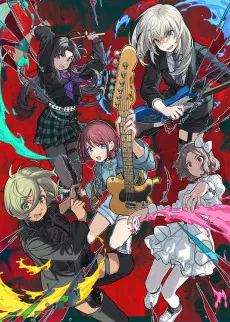
Bocchi the Rock! returns for another season of its comedic slice-of-life story about music, based on Hamaji Aki's manga. The lead is Hitori Gotou, known as Bocchi, a girl so shy that she opens almost every conversation with a nervous "Ah..." She picked up the guitar in middle school, hoping a band would give even someone like her a chance to shine. With no friends to play with, she practiced alone for six hours a day and became a skilled player, posting videos online as "Guitar Hero." The new season continues her story.
TAGS
Female ProtagonistRock MusicBandPrimarily Female CastPrimarily Teen CastCute Girls Doing Cute ThingsHikikomoriYuriSeinenCGDCTMusic
// WATCH.NEXT
IF YOU LOVED BOCCHI THE ROCK! 2ND SEASON, WATCH THESE NEXT




not sure what you're in the mood for? browse 40 house lineups.

