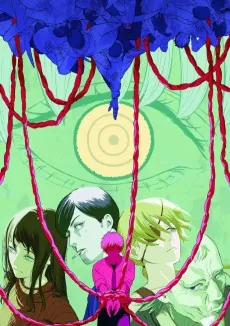
The violence doesn't exist to look cool, it's the language Denji uses to say things he can't say out loud, and every time he swings that chainsaw, you feel what he's refusing to admit about himself. Mappa animates this like they're running out of time, like the story might not survive to the next episode, which means you're never safe enough to look away. This isn't a sequel that repeats what worked before, it burns it down and asks what comes after everything you loved gets destroyed.
Denji's life as a devil hunter grows more dangerous following his encounter with Reze. Now a crucial member of Special Division 4, he continues battling devils alongside his comrades while grappling with his dual nature as both human and Chainsaw Man. The lines between his humanity and his devil instincts blur further as new threats emerge and past connections resurface with deadly intent. This chapter shifts the narrative toward darker territory. Denji faces assassins and enemies who target him directly, forcing him to confront not just external threats but the consequences of the power he wields. The casual moments of his previous life fade as the cost of being Chainsaw Man becomes increasingly real. Trust becomes a weapon as much as his chainsaw, and alliances within Division 4 are tested by forces working in the shadows. The tone grows heavier here. What began as a story of survival now explores the burden of power and the price of connection. Viewers seeking character-driven action with supernatural stakes will find themselves invested in Denji's struggle between the life he wants and the role he cannot escape.