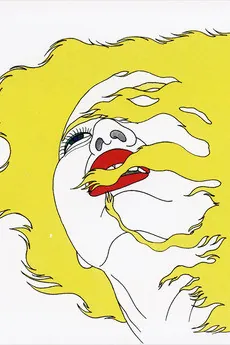
This is eight minutes that quietly dismantles you. Tanaami builds trauma in silence and crayon marks, no explosions, no blood, just the weight of memory pressing down until you can't breathe. The sound design isolates you inside someone's panic, and by the time the score arrives, you're already broken. Most animation chases spectacle. This one knows that real devastation moves slower, and hurts longer.
Keiichi Tanaami's short animated film looks back on his own childhood in Japan during the Second World War. Archival war footage, family photographs and pop art images are layered together, often broken up by grid patterns that resemble sliding paper screens and hold the viewer at a distance. Sirens, a haunting heartbeat and vocals from Robert Plant fill the soundtrack. The title comes from a wartime promotion by a confectionery company, which invited children to send in crayon drawings of its angel mascot, something that affected the young Tanaami deeply.