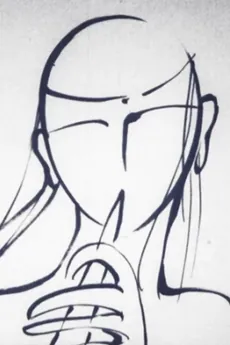
The entire film is built on silence, letting water and wind carry what dialogue never could. An old man teaching a girl guqin becomes a conversation about time running out, rendered in animation so precise it feels like you're watching a landscape painting breathe. Eighteen minutes that hit like a feature because every frame and every note earned its place.
A young girl looks after a poor elderly scholar, and in return he teaches her to play the guqin. The film relies on no spoken words: apart from the music, its soundtrack is made up only of flowing water and the wind. The result is a quiet, music-centered piece about the bond between a child and an old teacher, told through sound and the gentle exchange of care for lessons.
WHERE TO WATCH
Streaming Feeling from Mountain and Water legally, as of the last catalog refresh. Availability changes by region.
YouTube