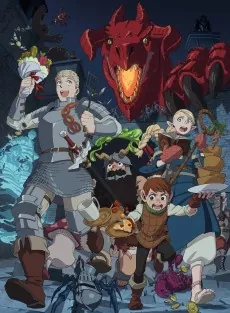
Asma doesn't teach her grandchildren the old stories because they're old. She teaches them because a kid wrestling with belonging, or fairness, or what they're capable of, needs to hear that someone solved it first. Season two keeps doing what the first season did best: treating folktales not as museum pieces but as proof that the questions that wreck you are older than you are, which means someone already survived them. The robot cat, the 2050 setting, the animation, all of it serves one thing: making sure you understand your grandmother's voice isn't nostalgia. It's a map.
Future Folktales Season 2 is the 2024 follow-up to Future Folktales, released as a 13-episode ONA with an adventure focus. The first season was set in Riyadh in 2050, where a grandmother named Asma takes her grandchildren back through the history of the Arabian Peninsula by retelling well-loved folktales from the region. Their robotic cat, Anis, joins them, and the children find that her stories hold wisdom for their modern problems.
WHERE TO WATCH
Streaming Future Folktales Season 2 legally, as of the last catalog refresh. Availability changes by region.
HIDIVE