Anime Like Gondora
ゴンドラ
Studio 4°C · 1997 · MOVIE · 1 eps · 1 min/ep · Original · PG - Children
AniList 38/100 · MAL 4.2/10 · Ranked #15,091 · 3,301 members
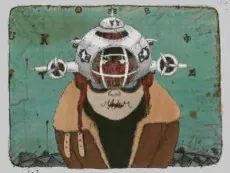
A man alone in a room becomes the entire universe. Gondora doesn't build a narrative, it builds a visual spiral that collapses inward and outward at the same time, mixing live action and animation until you stop knowing which world is real. One minute long and it rewires how you think about what anime can be.
A lone man dressed as an aviator stands in a room whose walls are covered in scribbled symbols, with no one around and nothing to guide him but himself. Gondora is a short 1997 anime film about this figure and the private world he seems to live in, left entirely to his own devices.
TAGS
Denpa
// WATCH.NEXT
IF YOU LOVED GONDORA, WATCH THESE NEXT


not sure what you're in the mood for? browse 40 house lineups.


