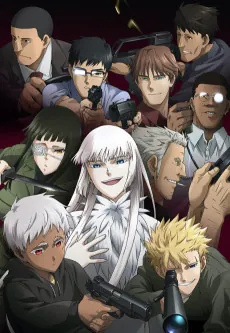
You're watching children kill because they have no choice, and the show refuses to look away from what that actually costs them. Triela isn't heroic, she's a broken thing that learned to enjoy breaking other things, and the show is clear that this is damage, not development. The real horror isn't the cybernetics or the missions; it's that these kids are so thoroughly owned by the system that even their small moments of connection feel like programs running their course.
A government body called the Social Welfare Agency takes shattered children, rebuilds them with cybernetic implants and trains them to kill. The eldest of these girls, Triela, hunts her targets with savage zeal and will accept nothing short of wiping them out. Her counterpart is Pinocchio, a hollow young assassin raised by the FRF, a terrorist group at war with the agency, who is cold, ruthlessly efficient and deadly with a blade. When the agency looks into a missing operative, the trail leads to its rival, the Five Republics, and Triela slips inside their organization, only to have her search halted at gunpoint. These are action and science fiction drama stories about killers who hold only faint memories of being human.