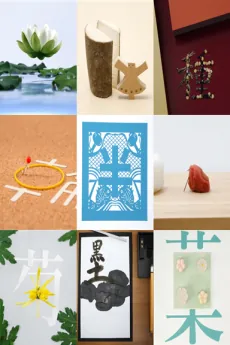
Stop-motion doesn't usually move like this, each frame is a visual argument about why a single character looks the way it does. You watch kanji decompose into the objects they came from, then reassemble into meaning, and suddenly you understand that every character in Japanese is a tiny story someone decided to draw. This is a project that respects the intelligence of its audience enough to say nothing at all while showing everything.
A single episode uses stop-motion animation to reinterpret kanji, drawing on the meaning, form and origin of each character and archiving them as moving images. The project grew from the idea that the heart of kanji lies in the resemblance the imagination draws out of them. Rather than lecturing, it lets shape and movement suggest meaning, making it a short visual essay for viewers curious about experimental animation and about how written characters carry their own stories.
WHERE TO WATCH
Streaming Kanjigram legally, as of the last catalog refresh. Availability changes by region.
Vimeo