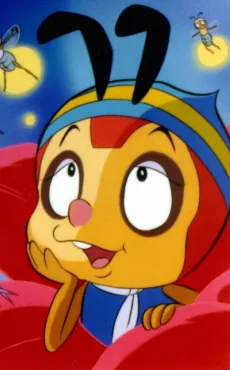
A wooden doll doesn't become human by being good. He becomes human by failing, hurting people, and understanding what those failures cost. Mokku is a portrait of selfishness and cowardice learning to recognize itself in the mirror, and the show never softens that reckoning. Nobody talks about this one, but it stands apart from every other Pinocchio adaptation because it treats the transformation as actual moral work, not a reward for obedience.
After finding a piece of driftwood struck by lightning, the toy-maker Gepetto carves a puppet, and a mystical blue fairy brings it to life. The puppet, Mokku, wants to become a real boy, but he has to earn that humanity by overcoming a long list of flaws: he is gullible, selfish, rude, lazy, stubborn, dishonest, cowardly and reckless, and he rarely learns from his mistakes. His own disobedience keeps landing him in hardship, where he is tricked, bullied, mocked, beaten and treated cruelly. This fantasy adventure retelling of Pinocchio teaches moral lessons through harsh endurance.