Tezuka made this for people who watch insects and see mythology. Each of the five segments uses a different animation language to match what he was actually looking at, turning observation into something that feels like remembering a dream you forgot you had. The formal essay becomes the opposite of what essays usually do: it doesn't explain the mystery, it deepens it. This is what happens when a master animator decides to document wonder instead of plot.
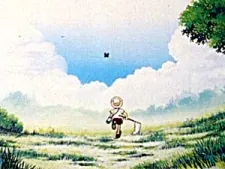
Young Tezuka Osamu chases a swallowtail butterfly called Oomurasaki with his butterfly net, and the film shows what he sees in his dreams along the way. Around this pursuit sit five animated segments, each based on a theme from Tezuka's collection of essays on insects. Those writings are mostly academic studies, but some of his observations of insects end in literary conclusions full of mysterious or mythical imagery. Every segment uses a different animation technique, and after each one the boy and the butterfly return. The film was shown at the exhibition "Tezuka Osamu: Images of the Past and Future".