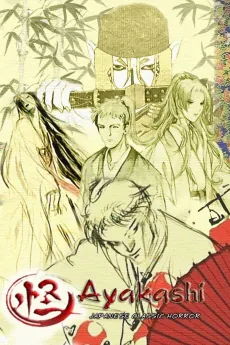
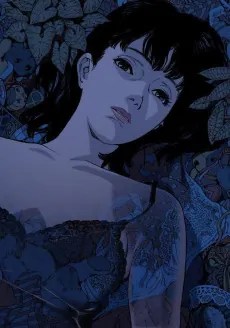
The Phantom in the Rain doesn't whisper its horror like the original series, it bludgeons you with it through pure visual composition and Taku Iwasaki's hypnotic score, turning dread into something you feel in your chest before your brain catches up. The Ooku becomes a character itself, beautiful and suffocating in equal measure, and Asa and Kame's friendship is the only warm thing the film lets you hold onto while it methodically dismantles everything around them. The rapid cuts and color shifts will exhaust your eyes by design, forcing disorientation instead of allowing comfortable distance.
Two young servants arrive at the Ooku, a sprawling pleasure palace shrouded in luxury and rigid protocol. Men who breach these walls face execution without question. Asa and Kame start on the same day and become friends right away, promising each other to overcome whatever lies ahead as they join the hundreds of maids serving there. Beneath the lavish lifestyle and ritual routines, the palace hides scheming, rivalries and secrets. When strange incidents throw preparations for an upcoming ceremony into chaos, shogunate officers are sent to investigate. Meanwhile, the Medicine Seller, a mysterious wandering peddler, demands entry to the forbidden quarters and warns that the danger is greater than anyone suspects, as an otherworldly menace begins to surface. This supernatural horror mystery is the first film in the Mononoke movie trilogy.
WHERE TO WATCH
Streaming Mononoke The Movie: The Phantom in the Rain legally, as of the last catalog refresh. Availability changes by region.
Netflix