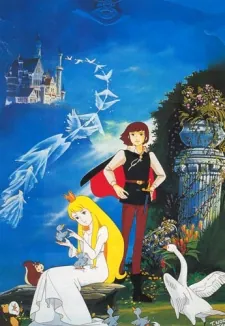
The princess doesn't want to be saved. The dragon isn't actually evil. The prince arrives with a sword and a fairy tale that stopped being true the moment Mikaella chose differently. What hits is watching a three-episode story completely dismantle the rescue narrative, not by mocking it, but by letting the woman inside it have a voice that matters more than destiny. This is romance built on a single act of radical refusal. A short, quiet story about what happens when the person everyone assumed needed saving turns out to have already saved herself.
Legend tells of brave princes who risk their lives to free a princess from a wicked dragon that has been menacing the land. When one such prince arrives and loudly vows to slay the beast and bring Princess Mikaella home to the golden castle, she turns to the dragon instead. Mikaella tells Xeno she has no wish to be rescued by this man and asks him to deal with the prince. The supposedly evil dragon agrees at once, ready to do anything for her. Across three short episodes, the fantasy romance turns the familiar rescue story on its head.
WHERE TO WATCH
Streaming No More Prince legally, as of the last catalog refresh. Availability changes by region.
Laftel