Anime Like Nyuugaku Youhei
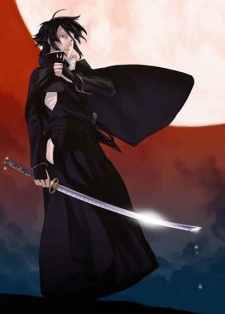
A kid trained to kill for warlords learns that surviving high school requires a completely different skillset, and he's terrible at it. Ijin comes home expecting safety and finds himself reading rooms full of teenagers the same way he read combat zones, except nobody here is actually trying to murder him, which somehow makes everything harder. The show takes his damage seriously without making it the entire point.
SYNOPSIS
Ijin Yu spent his childhood as a hired soldier in hostile territories, learning to survive through violence and calculation. When his mercenary contract ends at eighteen, he returns to his native Korea hoping for normalcy. Instead, he enrolls as a senior in a prestigious high school where his only enemy should be boredom. The problem: Ijin's decade abroad left him socially fractured and physically dangerous. He interprets high school hierarchy as a literal power struggle, treating social hierarchies like combat zones. Every classroom conflict becomes a tactical puzzle. Every peer interaction carries weight he learned to measure by real consequences. His classmates have no idea who he is or what he's survived. They're fighting over grades, popularity, and crushes. Ijin's fighting to remember how to be human in a place where nobody's shooting at him. The tension builds as Ijin's military instincts collide with adolescent politics, forcing him to choose between the ruthless efficiency that kept him alive and the vulnerability required to actually connect with people his age. High school becomes his strangest battlefield yet.