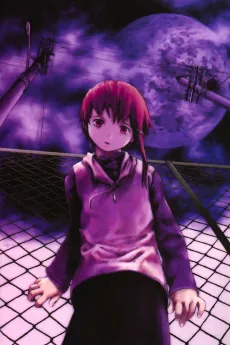
The animation moves like it's dancing with the music instead of illustrating it. Madhouse animates a story about two people learning to exist in the same space, and every frame, every breath, every glance, syncs so precisely with SuperCell's composition that you stop noticing where the song ends and the emotion begins. In five minutes, it builds a complete relationship and dismantles it. The runtime is too short for what it's trying to do, but that limitation becomes the point: some connections burn brightest because they don't last.
A solitary figure moves through a single, crystalline day where nothing seems quite right. Moments pile up in strange succession: ordinary objects glow with unsettling beauty, conversations loop back on themselves, and the sky shifts colors that shouldn't exist. The protagonist drifts through this warped reality, caught between recognition and alienation, as if witnessing their own life from behind frosted glass. SuperCell's music pulses beneath every frame, transforming mundane scenes into something hypnotic and dreamlike. Time feels negotiable here. Minutes stretch and compress. What begins as a walk through familiar spaces becomes a meditation on disconnection and the uncanny valley between living and simply existing. The piece builds toward a resolution that recontextualizes everything that came before, asking whether perfection and emptiness might be the same thing viewed from different angles. Viewers drawn to abstract storytelling, experimental sound design, and visual poetry will find something genuinely unsettling in its restraint. This isn't narrative in the traditional sense. It's mood made animate, disquiet given form.