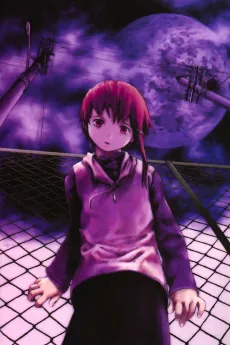
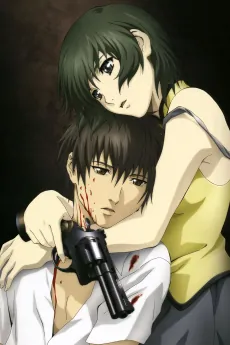
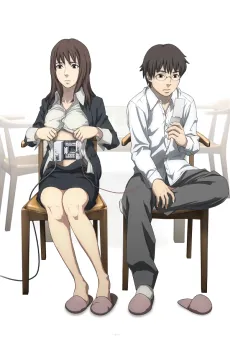
A single song about someone broadcasting their own death, animated with the kind of care most studios save for full seasons. The visuals shift through styles like a mind fragmenting in real time, each frame matching the vocal delivery of someone whose stability is already gone. Shinsei Kamattechan's melody is catchy in the way a hook stays in your head after you realize what the song is actually saying. By the end, you understand why the animation matters so much here, it's the only thing still reaching for the person in the video. This is not a viewing experience. It's witnessing something that needed to be made, and made this well, because the alternative was silence.
Ruru-chan no Jisatsu Haishin is a single-episode music video made for a song of the same name by Shinsei Kamattechan, a Japanese internet pop rock band. The track comes from the band's tenth album, Child's Medical Record. As a music release rather than a series, it presents the song in animated form instead of telling a multi-episode story.