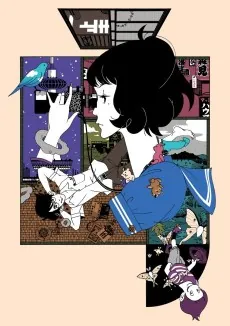
A single episode that shouldn't work but does: an idol materializes in Edo-period Japan and the show just accepts it, letting the disconnect between her and that world become the entire point. The music doesn't apologize for existing in a period drama, and neither does she. What you're watching is two competing visions of time merged into one, and the pilot knows exactly what it is trying to say in 24 minutes.
SHAREDOL is a one-episode pilot film that blends two themes, Edo and idols. The story takes place in the Kansei era of the Edo period, when the Kansei Reforms led by Matsudaira Sadanobu clamped down hard on popular entertainment and daily life felt stifling. A man from present-day Japan arrives and applies what he knows about modern idols to girls of the period, each of whom lives with troubles of her own. He produces six of them from very different walks of life: a teahouse girl, a samurai girl, a girl from a Dutch trading house, a merchant girl, an oiran, and a kunoichi. The project grew out of a pitch contest among young producers at Toei Animation and Sotsu, merging a time-leap idea from one team with an Edo-period idol idea from the other.
WHERE TO WATCH
Streaming SHAREDOL legally, as of the last catalog refresh. Availability changes by region.
YouTube