Two years of living together comes down to one question, and neither of them knows if the answer matters anymore. Honda and Eri don't fight about passion, they fight about whether they even want the same life, and the show refuses to pretend that's something love alone can fix. What makes it gutting is how quietly it happens, how a relationship can be real and good and still break under the weight of wanting different things.
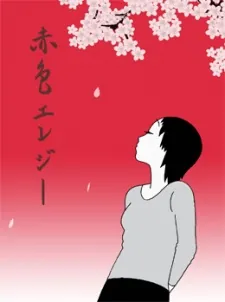
Shigeyuki "Peter" Honda works from home as an illustrator and keeps the household running, while his girlfriend Eri Todani pushes to rise through the corporate ranks. They have lived together happily for two years, but Honda longs to marry and have a child, and he debates whether to ask her to marry him. Eri's focus on her career leaves little room for starting a family, and as the pair try to bridge that gap, they begin to wonder whether their seemingly ideal relationship can survive it. This single-episode romantic drama adapts a manga by Fumi Shibama, which itself retells Kazuo Kamimura's 1972 manga Dousei Jidai.