Anime Like Shouwa Monogatari
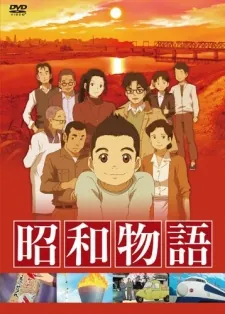
テレビまんが 昭和物語
WAO World · 2011 · 13 eps · 25 min/ep · Original · PG - Children
AniList 56/100 · MAL 6.84/10 · Ranked #5,763 · 6,147 members
Drama
You're watching a family pretend everything is fine while Japan transforms around them. The Tokyo Olympics happen offscreen, a distant hum while the Yamazakis argue about money, futures, and whether growing up means leaving home. By the end, you realize the real Olympics were the people who changed, not the city.
The Yamazaki family lives in Tokyo in 1964, Showa 39, the year the city hosts the Summer Olympics. The drama centers on this household and the human stories of its members during that landmark year. The run spans thirteen episodes, with regular broadcast beginning in April 2011 after four episodes aired early, out of order, on several stations.
TAGS
HistoricalFamily Life
// WATCH.NEXT
IF YOU LOVED SHOUWA MONOGATARI, WATCH THESE NEXT





not sure what you're in the mood for? browse 40 house lineups.


