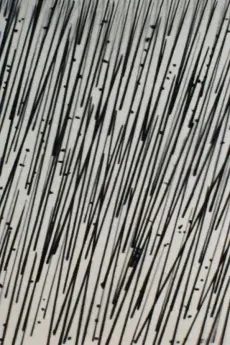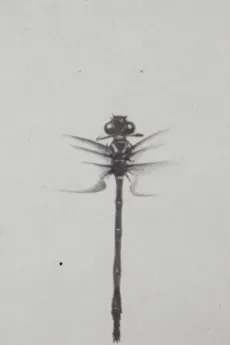
The animation doesn't illustrate a story; it IS the story. A dragonfly moves through layered exposures of a field and a woman's body until you stop knowing which is which, and the whole thing breathes like a single organism. No dialogue. No plot to grab onto. Just the absolute commitment to making you feel the weight of nature reclaiming itself, one overlapped frame at a time. This costs your full attention and gives back something most narratives can't touch. It's made for people who believe animation can do things film and words never will.
An abstract animated film built around the image of a dragonfly. Animated dragonfly forms are laid over layered, multiple-exposure footage in which a field and the naked body of a woman lying in it blend together. There is no conventional plot. The piece works through overlapping imagery, letting landscape and body merge into a single shifting picture, and should appeal to viewers interested in experimental animation.