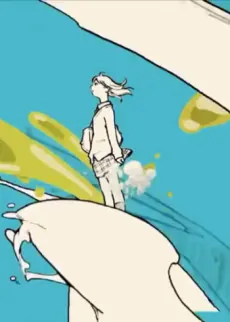
Uta's voice doesn't just accompany the visuals, it becomes the architecture of what you're watching, each phrase reshaping the world on screen. The animation moves with the song instead of illustrating it, which means you're not watching a music video so much as experiencing the interior of a performance. By the time it ends, you've been inside someone's entire emotional collapse and reconstruction in four minutes.
Tot Musica is a single-episode music video made for the song of the same name. The track is credited to Uta (Ado), and WOOMA directed the video. Expect a short, dramatic music piece with a psychological edge, built around one song rather than a full story told across ongoing episodes.
WHERE TO WATCH
Streaming Tot Musica legally, as of the last catalog refresh. Availability changes by region.
YouTube