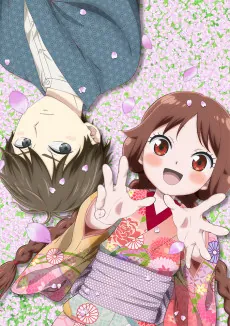
A widower ten years into numbness gets handed back a ghost wearing a stranger's face, and he has to decide if belief matters more than proof. The show doesn't ask you to suspend disbelief so much as watch a family choose to anyway, because the alternative is staying broken. By the end, you're not sure if the miracle is real, and you realize you stopped caring which answer was true.
Ten years after his wife Takae died, Keisuke Niijima is still stuck in his grief, and he has never managed a real bond with his daughter Mai. Then a young girl turns up at their door insisting she is Takae, reborn. She shares private details only the family could know, and once Keisuke accepts who she is, his world brightens again. Takae, meanwhile, must live as an elementary schooler with the mind of a woman in her forties, scheming for chances to see Keisuke. As she becomes part of their lives, the Niijima household slowly begins to heal. The miracle has its drawbacks, though, and a single mistake could bring painful consequences for everyone. Warm and sincere, the story mixes comedy and romance with real emotional weight.
WHERE TO WATCH
Streaming TsumaSho legally, as of the last catalog refresh. Availability changes by region.
CrunchyrollYouTubeBilibili TV