Anime Like 1001 Nights
1999 · MOVIE · 1 eps · 24 min/ep · R+ - Mild Nudity
AniList 62/100 · MAL 6.32/10 · Ranked #9,085 · 17,470 members
FantasyRomance
// SYNOPSIS
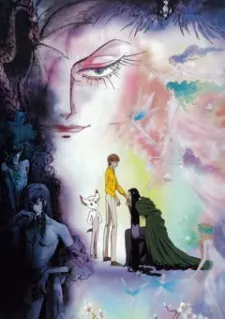
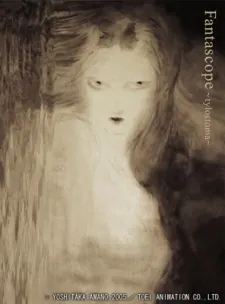
Framed as a feverish dream of love, 1001 Nights is a short animated fantasy romance film built on Yoshitaka Amano's book of artwork. It opened the Filmharmonic series, which pairs new orchestral pieces by film composers with short films from top directors, and it is the only animated entry in that series. The original plan was to make it entirely with computer animation.
TAGS
Fairy TaleMythologyForeignNudityDemonsClassic LiteratureNo DialogueFemale ProtagonistMale ProtagonistHeterosexualHistoricalCGIDragonsMixed Media
// WATCH.NEXT
IF YOU LOVED 1001 NIGHTS, WATCH THESE NEXT




there's a lineup for this: anime where the soundtrack carries the whole show, 20 picks.