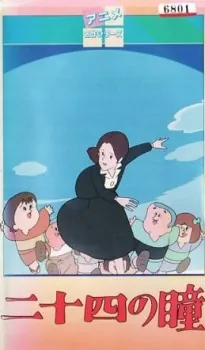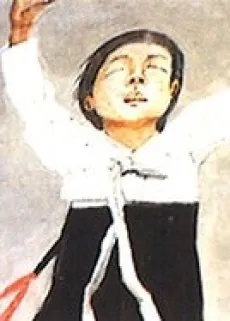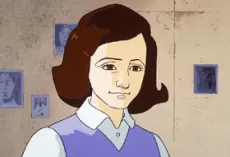
A girl trapped in darkness for two years finds the only freedom available to her: a notebook. This 1979 special doesn't perform Anne Frank's story, it sits with her in that hidden room, watching how a thirteen-year-old mind survives by refusing to stop growing. The diary becomes everything: rebellion, mirror, lifeline, time machine, proof that she existed and thought and felt. It costs something to watch this. The quiet spaces between her words matter more than any dramatization ever could.
Amsterdam, 1942. Anne Frank, a Jewish girl, turns thirteen and starts a diary she names Kitty. Seeing the danger Jews face, her father takes his wife Edith, his daughters Margo and Anne, and four other people into hiding in a secret space known as the house behind. For two years the eight of them live in darkness and hushed voices, afraid of being found. In her diary Anne writes about daily life in hiding, her difficult relationship with her mother, her ideals, ambitions and fears, and her first love, Peter, the boy hiding with them. She also records her longing to run outside, breathe fresh air and see flowers again. The one-episode drama special tells her true story.