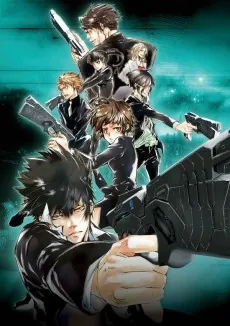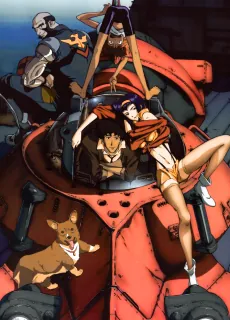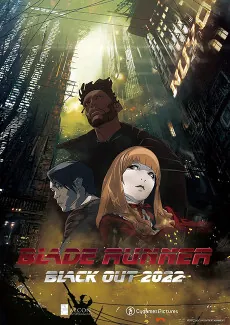
A fifteen-minute proof of concept that looks like it cost ten times that. Watanabe treats every frame like it matters, shifting between rotoscope, cel-shading, and hyperdetailed backgrounds to show you a world collapsing in real time. The EMP blackout isn't a plot device, it's Watanabe's excuse to paint neon cities dying, and he paints it the way a Blade Runner fan dreams about.
The year is 2022. An electromagnetic pulse detonation sets off a blackout that spreads across the entire planet, with vast and destructive consequences worldwide. Shinichiro Watanabe, the director behind Cowboy Bebop and Samurai Champloo, helms this single-episode animated short, a sci-fi thriller released online in 2017. It serves as a prologue to the feature film Blade Runner 2049 and depicts events that come before that story.
WHERE TO WATCH
Streaming Blade Runner: Black Out 2022 legally, as of the last catalog refresh. Availability changes by region.
Crunchyroll